


Introduction
Undergoing a single sitting root canal treatment (RCT) is a significant step towards preserving your natural tooth and eliminating dental pain. At Dr. Bhutani Dental Clinic, we understand that proper post-treatment care is crucial for successful healing and long-term tooth health. When you choose an experienced root canal dentist for your procedure, you’re investing in your oral health, but your journey doesn’t end when you leave the dental chair.
This comprehensive recovery guide will walk you through everything you need to know about caring for your tooth after a root canal dentist treatment, ensuring optimal healing and preventing complications. Our team of dental professionals has compiled this detailed guide based on years of experience treating patients in Delhi and helping them achieve successful recovery outcomes.
The importance of following proper post-treatment protocols cannot be overstated. A skilled root canal dentist performs the technical aspects of your treatment with precision, but your commitment to following aftercare instructions determines the ultimate success of your procedure. This guide serves as your roadmap to a smooth and comfortable recovery process.
What is Single Sitting RCT and How Does it Work?
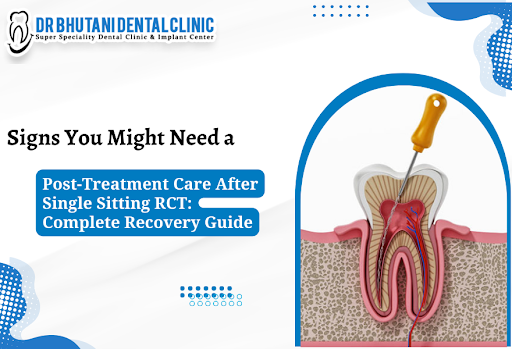
Single sitting root canal treatment represents a revolutionary advancement in endodontic therapy. This modern approach allows your root canal dentist to complete the entire treatment process in one comprehensive appointment, typically lasting 60-90 minutes depending on the complexity of your case. At Dr. Bhutani Dental Clinic in Delhi, our skilled professionals utilize state-of-the-art technology to ensure precise and efficient treatment delivery.
What is Science Behind Single Sitting RCT?

The procedure involves several critical steps that your root canal dentist performs with meticulous attention to detail. First, the infected or damaged pulp tissue is carefully removed from the tooth’s interior chambers and root canals. Advanced irrigation techniques are then employed to eliminate bacteria and debris, followed by precise shaping of the canal system to prepare for filling.
Modern rotary instruments and electronic apex locators enable your root canal dentist to work more efficiently while maintaining the highest standards of precision. The final step involves sealing the cleaned canals with biocompatible materials and placing a temporary restoration to protect the tooth until permanent restoration is completed.
Advantages of Single Session Treatment
The single sitting approach offers numerous benefits for patients. Time efficiency is a primary advantage, as busy professionals and students can complete their treatment without multiple office visits. Additionally, this method reduces the risk of recontamination between appointments, potentially leading to better long-term outcomes when performed by an experienced root canal dentist.
Research has demonstrated that single sitting RCT has comparable success rates to traditional multi-visit procedures, with the added benefit of reduced patient anxiety and improved treatment compliance. The elimination of temporary medications and multiple anesthetic injections also contributes to enhanced patient comfort throughout the treatment process.
Immediate Post-Treatment Care (First 24-48 Hours)
Understanding Post-Anesthetic Effects
The local anesthesia administered during your root canal dentist procedure will gradually wear off over 2-4 hours following treatment. During this period, it’s essential to exercise caution to prevent accidental injury to your lips, tongue, or cheek tissue. Many patients experience a tingling sensation as feeling returns to the treated area, which is completely normal and expected.
Your root canal dentist will provide specific guidelines regarding eating and drinking during the anesthetic recovery period. Generally, you should avoid consuming hot beverages or foods until full sensation returns, as you may inadvertently burn your mouth without realizing it. Similarly, chewing should be avoided until you can feel the treated area normally.
Comprehensive Pain Management Strategy
Post-treatment discomfort following root canal dentist procedures varies significantly among patients. Some individuals experience minimal discomfort, while others may have moderate pain for several days. Understanding this variability helps set realistic expectations for your recovery process.
Effective pain management typically involves a combination approach. Your root canal dentist may prescribe specific medications based on your medical history and the complexity of your treatment. Non-steroidal anti-inflammatory drugs (NSAIDs) like ibuprofen are often recommended as they address both pain and inflammation simultaneously.
For optimal pain control, consider taking your first dose of medication before the anesthesia wears off completely. This proactive approach helps prevent pain from becoming severe and is more effective than waiting until discomfort becomes significant. Always follow the dosing instructions provided by your root canal dentist and never exceed recommended amounts.
Advanced Pain Relief Techniques
Beyond medication, several non-pharmaceutical approaches can enhance comfort during recovery. Cold therapy proves particularly effective during the first 24-48 hours after your root canal dentist treatment. Apply ice packs wrapped in a thin cloth for 15-20 minutes at a time, with 15-20 minute breaks between applications.
Elevation of your head while sleeping can help reduce blood flow to the treated area, minimizing throbbing sensations. Use an extra pillow or two to maintain a slightly elevated position throughout the night. Some patients find that gentle saltwater rinses, prepared with half a teaspoon of salt in a cup of warm water, provide soothing relief when used 24 hours after treatment.
Detailed Dietary Guidelines
Your diet during the immediate post-treatment period significantly impacts healing and comfort. Focus on consuming nutrient-rich, soft foods that support the healing process without placing stress on the treated tooth. Room temperature or lukewarm foods are ideal, as extreme temperatures may trigger sensitivity.
Excellent food choices include scrambled eggs, yogurt, smoothies, mashed potatoes, soft pasta, and well-cooked vegetables. These options provide necessary nutrients while being gentle on your healing tooth. Avoid carbonated beverages, as the bubbling action may cause discomfort, and stay away from acidic drinks like citrus juices that could irritate the treated area.
Week 1-2: Critical Early Recovery Phase
Advanced Oral Hygiene Protocols
Maintaining impeccable oral hygiene during the early recovery phase is paramount to preventing complications and ensuring successful healing. Your root canal dentist will provide specific instructions tailored to your situation, but general principles apply to all patients undergoing this treatment.
Begin gentle brushing 24 hours after your procedure, using a soft-bristled toothbrush and fluoride toothpaste. Focus on thorough but gentle cleaning around the treated tooth, avoiding aggressive scrubbing that could disturb the temporary restoration. Electric toothbrushes can be used on a low setting, but manual brushing may provide better control during the initial healing period.
Antimicrobial mouthwash becomes particularly important during recovery, as recommended by your root canal dentist. Choose an alcohol-free formulation to avoid irritation, and use it twice daily after brushing and flossing. The mouthwash helps reduce bacterial load in your mouth, supporting the healing process and preventing secondary infections.
Comprehensive Complication Monitoring
Understanding normal healing versus concerning symptoms empowers you to seek appropriate care when needed. Your root canal dentist will explain what to expect, but being well-informed about potential complications ensures prompt treatment if issues arise.
Normal healing typically involves gradual reduction in sensitivity and discomfort over the first week. Some patients experience mild throbbing for 2-3 days, which should progressively improve. Slight tenderness when chewing is expected and should diminish as healing progresses.
However, certain symptoms warrant immediate contact with your root canal dentist. Severe pain that increases in intensity rather than decreasing suggests potential complications requiring professional evaluation. Similarly, swelling that develops or worsens after the third day may indicate infection or other issues needing prompt attention.
Activity and Lifestyle Modifications
Your lifestyle choices during the early recovery period can significantly influence healing outcomes. While most patients can return to normal activities within 24-48 hours, certain modifications optimize the healing process and prevent complications.
Strenuous physical exercise should be avoided for at least 48 hours after your root canal dentist treatment. Vigorous activity increases blood pressure and heart rate, potentially leading to increased pain, swelling, or bleeding at the treatment site. Light walking and normal daily activities are generally acceptable and may even promote healing by maintaining normal circulation.
Smoking cessation during the recovery period is strongly recommended, as tobacco use significantly impairs healing processes. Nicotine reduces blood flow to healing tissues, potentially compromising the success of your root canal dentist treatment. If you’re unable to quit completely, at least minimize smoking for the first week following treatment.
Advanced Recovery Strategies (Week 2-4)
Optimizing Nutritional Support for Healing
The foods you consume during the recovery period play a crucial role in supporting your body’s natural healing processes. Your root canal dentist may provide dietary recommendations, but understanding the science behind nutritional healing can help you make informed choices that accelerate recovery.
Protein intake becomes particularly important during healing, as amino acids serve as building blocks for tissue repair. Incorporate soft protein sources like fish, eggs, Greek yogurt, and protein smoothies into your daily meals. These foods provide essential nutrients without requiring aggressive chewing that could stress the treated tooth.
Vitamin C supports collagen synthesis and immune function, both critical for healing after root canal dentist procedures. Soft fruits like bananas, melons, and cooked berries provide this essential nutrient in easily consumable forms. Similarly, vitamin D aids in calcium absorption and bone health, supporting the structures surrounding your treated tooth.
Anti-inflammatory foods can help reduce post-treatment inflammation and support comfort during recovery. Consider incorporating turmeric, ginger, leafy greens, and omega-3 rich foods like salmon into your diet as tolerated. These natural anti-inflammatory compounds complement the healing process initiated by your skilled root canal dentist.
Progressive Activity Resumption
As healing progresses, you can gradually return to normal activities while remaining mindful of your treated tooth. Most patients feel comfortable resuming regular exercise and activities within one week of their root canal dentist treatment, but individual recovery timelines may vary.
Begin with low-impact activities and gradually increase intensity as comfort allows. Pay attention to how your body responds to increased activity levels, and reduce intensity if you experience increased pain or sensitivity. Your treated tooth will continue strengthening over several weeks, so patience during this period yields better long-term outcomes.
Return to normal chewing patterns should be gradual and mindful. Start by testing soft foods on the treated side, progressing to firmer textures as comfort improves. However, avoid using the treated tooth for particularly hard foods until permanent restoration is completed by your root canal dentist.
Long-Term Recovery and Permanent Restoration
Understanding the Need for Permanent Restoration
One of the most critical aspects of long-term success following root canal dentist treatment is the placement of appropriate permanent restoration. Root canal treated teeth undergo structural changes that make them more susceptible to fracture without proper protection. Understanding this concept helps patients appreciate why permanent restoration is essential rather than optional.
During the root canal process, your root canal dentist removes the pulp tissue that previously provided nutrients and moisture to the tooth structure. While this elimination of infected tissue is necessary for healing, it also makes the tooth more brittle over time. Additionally, the access cavity created to reach the root canals may compromise the tooth’s structural integrity.
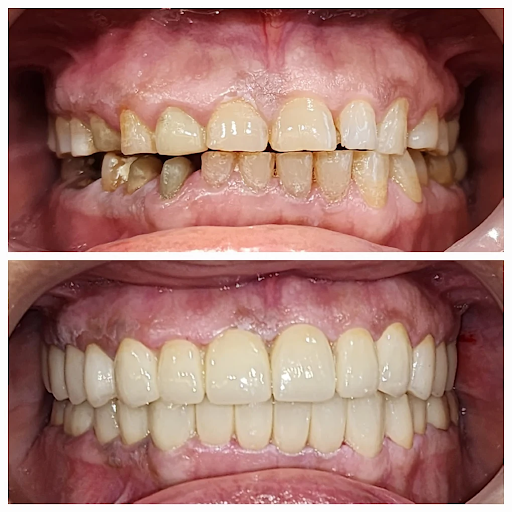
Permanent restoration, typically in the form of a crown, provides several critical functions. It protects the tooth from fracture by distributing chewing forces evenly across the tooth surface. The restoration also seals the access cavity permanently, preventing bacterial recontamination of the treated root canal system.
Crown Placement Timeline and Considerations
The timing of permanent restoration placement is carefully planned by your root canal dentist to optimize both healing and long-term success. At Dr. Bhutani Dental Clinic, we typically schedule crown preparation appointments 2-4 weeks following root canal treatment, allowing adequate time for initial healing while preventing delayed complications.
During the interim period, your temporary restoration serves as protection for the treated tooth. While temporary materials are designed to last several weeks, they are not intended for long-term use. Delays in permanent restoration placement increase the risk of temporary filling loss, bacterial contamination, and tooth fracture.
Your root canal dentist will evaluate the healing progress during your crown preparation appointment, ensuring that the treatment has been successful before proceeding with permanent restoration. This assessment may include clinical examination and radiographic evaluation to confirm proper healing.
Material Selection for Permanent Restoration
Modern dental technology offers various restoration materials, and your root canal dentist will recommend the most appropriate option based on your specific situation. Factors influencing material selection include the location of the treated tooth, aesthetic requirements, chewing forces, and individual patient preferences.
Porcelain crowns provide excellent aesthetics and are often preferred for front teeth where appearance is paramount. These restorations can be matched precisely to your natural tooth color, creating seamless integration with your smile. Gold crowns, while less aesthetic, offer superior durability and are sometimes recommended for back teeth that endure significant chewing forces.
Zirconia crowns represent a newer technology that combines strength and aesthetics effectively. Your root canal dentist can discuss the advantages and limitations of each material type, helping you make an informed decision that aligns with your priorities and budget considerations.
Comprehensive Dietary Support for Healing
Phase-Based Nutrition Planning
Recovery nutrition should be approached systematically, with dietary modifications evolving as healing progresses. During the first 24-48 hours after your root canal dentist treatment, focus exclusively on soft, lukewarm foods that require minimal chewing effort. This approach protects the treated tooth while providing necessary nutrients for healing.
Week one dietary planning should emphasize foods rich in healing nutrients while maintaining soft textures. Protein smoothies with added fruits provide excellent nutrition in an easily consumable form. Soft scrambled eggs, Greek yogurt with honey, and well-cooked pasta with mild sauces offer variety while supporting recovery needs.
As you progress into the second week, gradually introduce firmer textures while remaining cautious about the treated tooth. Your root canal dentist may provide specific guidance about when to resume normal chewing patterns, typically around 7-10 days post-treatment for most patients.
Hydration and Healing
Adequate hydration supports every aspect of the healing process and is particularly important following root canal dentist procedures. Water helps transport nutrients to healing tissues while facilitating the removal of metabolic waste products. Aim for at least eight glasses of water daily, adjusting for individual needs and activity levels.
Avoid beverages that could interfere with healing or cause discomfort. Alcohol should be limited, especially when taking prescribed medications, as interactions can be dangerous. Caffeine intake should be moderate, as excessive consumption may interfere with sleep quality, which is essential for healing.
Herbal teas can provide both hydration and potential healing benefits. Chamomile tea offers mild anti-inflammatory properties, while green tea provides antioxidants that support tissue repair. However, ensure all beverages are consumed at lukewarm temperatures to avoid sensitivity triggers in your treated tooth.
Detailed Warning Signs and Emergency Protocols
Recognizing Normal vs. Abnormal Healing
Understanding the difference between normal post-treatment symptoms and concerning complications empowers patients to seek appropriate care when needed. Your root canal dentist will explain expected recovery patterns, but having detailed knowledge helps you make informed decisions about when to seek additional care.
Normal healing typically follows a predictable pattern. Initial discomfort should be manageable with prescribed or over-the-counter medications and should gradually decrease over 3-5 days. Some sensitivity to temperature and pressure is expected but should not be severe or increasing in intensity.
Sleep disruption from pain should be minimal after the first night, and any swelling should begin decreasing by the third day. Your ability to chew comfortably should gradually improve, though you should continue avoiding hard foods until your root canal dentist provides clearance.
Emergency Situations Requiring Immediate Attention
Certain symptoms indicate potential complications that require urgent evaluation by your root canal dentist. Severe, throbbing pain that worsens over time rather than improving suggests possible complications such as incomplete cleaning of the canal system or development of a secondary infection.
Facial swelling that affects your ability to open your mouth normally or swallow comfortably represents a serious situation requiring immediate professional attention. This type of swelling may indicate spreading infection that could become life-threatening without prompt treatment by your root canal dentist.
High fever (over 101°F) accompanied by dental symptoms suggests systemic involvement and requires immediate medical evaluation. While fever is uncommon following routine root canal treatment, its presence may indicate serious infection requiring antibiotic therapy or additional intervention.
Progressive Symptom Monitoring
Develop a systematic approach to monitoring your recovery progress. Keep a simple log noting your pain levels on a scale of 1-10, any medications taken, and overall comfort levels throughout each day. This information proves valuable if you need to consult with your root canal dentist about concerning symptoms.
Take note of your sleep quality, as persistent sleep disruption may indicate inadequate pain control or developing complications. Similarly, monitor your ability to eat and drink normally, as significant limitations beyond the first few days may warrant professional evaluation.
Photograph any visible swelling or changes in your mouth’s appearance, as visual documentation can help your root canal dentist assess symptoms more effectively during phone consultations or emergency visits.
Extended Recovery Phase and Ongoing Care
Weeks 2-4: Transitioning to Normal Function
The extended recovery phase represents a critical period where your treated tooth transitions from acute healing to stable function. During this time, your root canal dentist will monitor healing progress and prepare for permanent restoration placement. Understanding what to expect during this phase helps ensure optimal outcomes.
Most patients experience significant improvement in comfort and function during weeks 2-4. Sensitivity should continue decreasing, and your ability to chew normally should gradually return. However, continue exercising caution with particularly hard or sticky foods until permanent restoration is completed by your root canal dentist.
This period also involves important decisions about permanent restoration options. Your root canal dentist will evaluate the structural integrity of your treated tooth and recommend appropriate restoration materials based on the tooth’s location, your chewing patterns, and aesthetic preferences.
Oral Hygiene Evolution

As healing progresses, you can gradually return to normal oral hygiene practices while maintaining extra attention to the treated area. Your root canal dentist may recommend specific products or techniques to optimize cleaning around the treated tooth without causing irritation or damage to healing tissues.
Electric toothbrushes can typically be reintroduced during the second week, starting with gentle settings and gradually increasing intensity as comfort allows. Water flossers may be particularly beneficial during this period, as they provide thorough cleaning while being gentler than traditional floss around sensitive areas.
Consider incorporating antibacterial mouth rinses into your routine as recommended by your root canal dentist. These products help maintain low bacterial levels in your mouth, supporting the healing process and reducing the risk of secondary infections.
Advanced Healing Considerations
Individual Factors Affecting Recovery
Recovery timelines and experiences vary significantly among patients based on numerous individual factors. Age, overall health status, immune system function, and compliance with post-treatment instructions all influence healing outcomes following root canal dentist procedures.
Younger patients often experience faster healing due to more robust circulation and cellular repair mechanisms. However, older patients can achieve equally successful outcomes with proper care and attention to post-treatment protocols. Your root canal dentist will consider these factors when developing your specific recovery plan.
Pre-existing medical conditions such as diabetes or autoimmune disorders may require modified recovery protocols. These conditions can affect healing rates and infection risk, necessitating closer monitoring and potentially adjusted medication regimens as determined by your root canal dentist.
Psychological Aspects of Recovery
The psychological component of recovery following dental procedures is often underestimated but plays a significant role in patient comfort and compliance. Many patients experience anxiety about their recovery progress or fear that normal healing sensations indicate complications.
Understanding that some discomfort and sensitivity are normal parts of the healing process helps reduce anxiety and promotes better recovery outcomes. Your root canal dentist encourages open communication about concerns and provides reassurance based on clinical experience and evidence-based outcomes.
Developing coping strategies for managing temporary dietary restrictions and activity modifications can improve your overall recovery experience. Focus on the temporary nature of these limitations and the long-term benefits of preserving your natural tooth through expert root canal dentist treatment.
Long-Term Success and Maintenance
Protecting Your Investment
Root canal treatment represents a significant investment in preserving your natural tooth structure and maintaining optimal oral health. Long-term success depends on both the technical expertise of your root canal dentist and your commitment to ongoing care and maintenance protocols.
Permanent restoration placement marks the beginning of the long-term maintenance phase. Your crowned tooth requires the same diligent care as your natural teeth, including regular brushing, flossing, and professional cleanings. However, certain precautions can help ensure decades of successful function.
Avoid using your treated tooth as a tool for opening packages, cracking nuts, or other non-food uses. While modern restorations are durable, they are not indestructible, and excessive forces can cause damage requiring replacement or additional treatment by your root canal dentist.
Ongoing Professional Monitoring
Regular check-ups with your root canal dentist enable early detection of potential issues and ensure long-term treatment success. Professional evaluation can identify problems before they become symptomatic, often allowing for simpler and less expensive interventions.
During routine visits, your root canal dentist will assess the integrity of your restoration, evaluate the health of surrounding tissues, and monitor for any signs of complications. Radiographic examination may be performed periodically to assess the root canal system and surrounding bone structures.
Professional cleanings help maintain optimal oral health around your treated tooth. Plaque and tartar accumulation around crowned teeth can lead to gum disease, which may compromise the long-term success of your root canal treatment.
Conclusion and Next Steps
Recovery after single sitting root canal treatment is a journey that requires patience, commitment, and proper guidance from your experienced root canal dentist. The comprehensive care approach at Dr. Bhutani Dental Clinic ensures that you receive not only expert treatment but also thorough education and support throughout your recovery process.
The investment you’ve made in preserving your natural tooth through expert root canal dentist treatment will provide decades of comfortable function when properly maintained. By following the detailed guidelines outlined in this recovery guide and maintaining regular contact with our professional team, you’re setting the foundation for long-term oral health success.
Remember that every patient’s recovery experience is unique, and your root canal dentist at Dr. Bhutani Dental Clinic remains available to address concerns and provide guidance throughout your healing journey. Our commitment to patient education and comprehensive care extends well beyond the treatment appointment, ensuring you have the knowledge and support necessary for optimal outcomes.
For questions about your recovery progress or to schedule your permanent restoration appointment, contact Dr. Bhutani Dental Clinic at +91 98102-44656 or email drbhutani@yahoo.com. Your smile is our priority, and we’re here to ensure your complete recovery and long-term satisfaction with your root canal dentist treatment.
Dr. Bhutani Dental Clinic – Your trusted partner for comprehensive dental care in Delhi. Offering advanced single sitting RCT with experienced root canal dentist professionals and personalized aftercare support for optimal healing outcomes.